
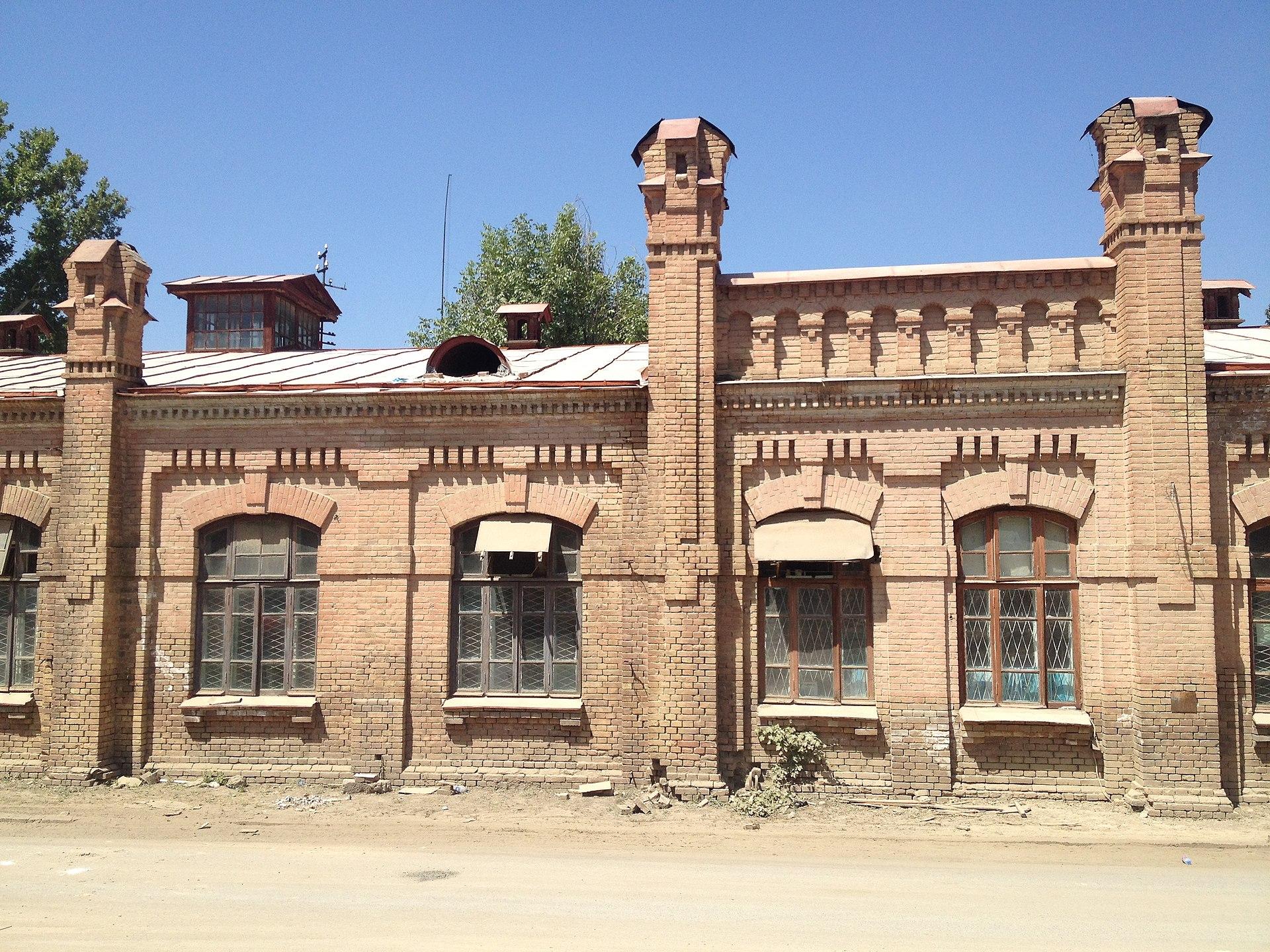
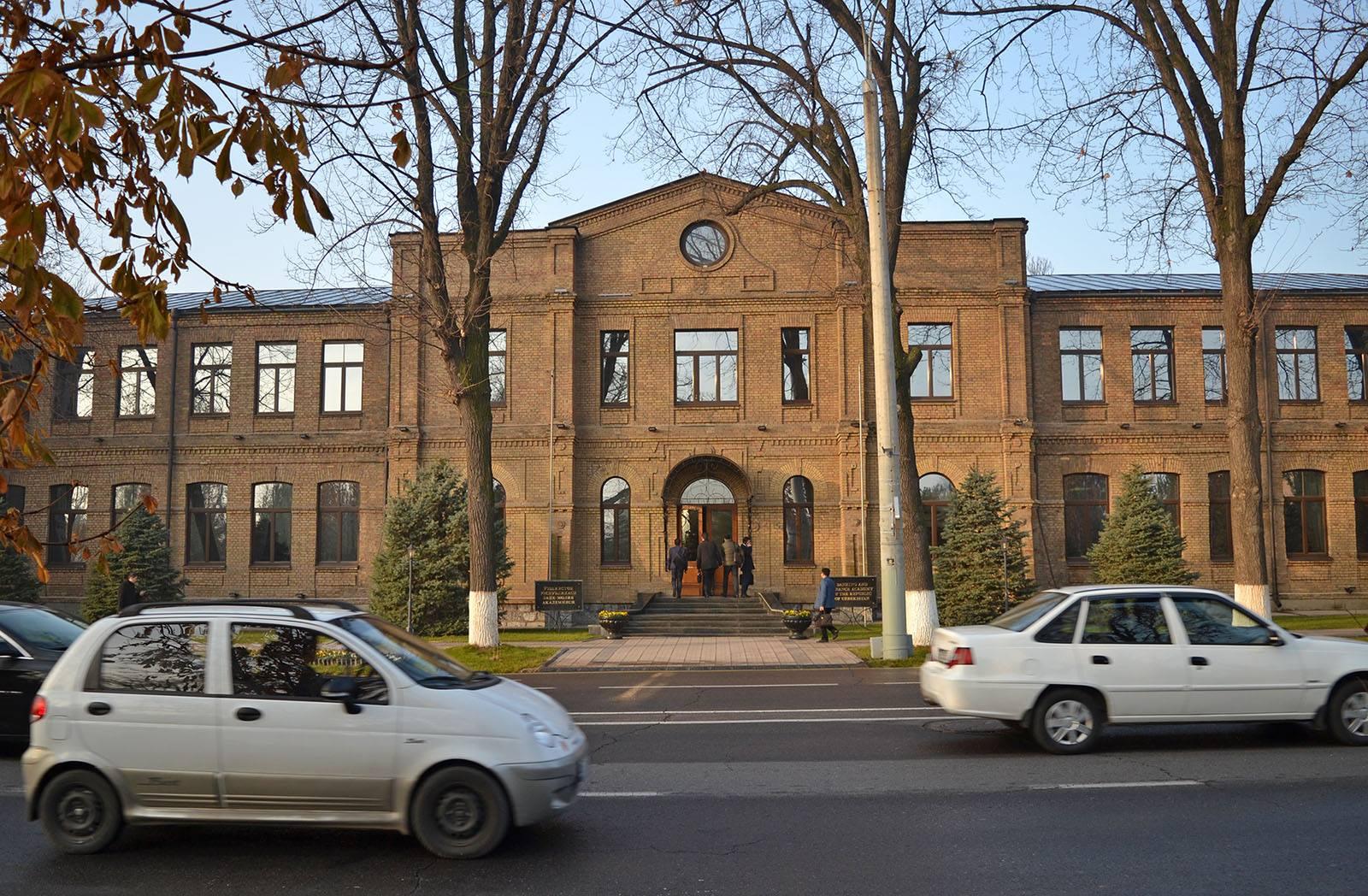
At the end of the 19th century, two orphanages operated in Tashkent — the Alexandrovsky and the Kaufman, the latter located at the corner of Khiva and Pushkin streets, where School No. 50 now stands.
The Kaufman Orphanage was named in memory of the
Turkestan Governor-General and founder of the Turkestan Charitable Society, K.
P. von Kaufman, who annually allocated funds for the orphans.
The orphanages were overcrowded, and in 1912, the
city authorities decided to construct a new building on what was then the
outskirts of the city, near the village of Nikolskoye. In 1916, the building,
designed by architects V. S. Geyntselyman and N. N. Botvinkin, received its
first orphans.
From 1918 to 1931, the building housed the Exemplary
Labor School named after Karl Liebknecht, under the leadership of educator and
enlightener V. F. Lubentsov. During this time, approximately 600 children were
educated there.
In 1931, due to the transfer of the capital of the
Uzbek SSR from Samarkand to Tashkent, the former Kaufman Orphanage building was
allocated for government needs.
In 1941, it accommodated the Leningrad Polytechnic
Institute, evacuated to Tashkent, on the basis of which the Energy Institute was
established, later transformed into the Institute of Energy and Automation. In
2016, the institute was reorganized into the Scientific and Technical Center of
the “Uzbekenergo” company.
In 2017, in connection with the reconstruction of
the Mirzo Ulugbek district and numerous public requests to preserve the
architectural monument, a decision was made to relocate the building to the
pedestrian zone of Sayilgoh Street (Broadway).
The building was relocated, and today the “Zamin”
Foundation operates in it.
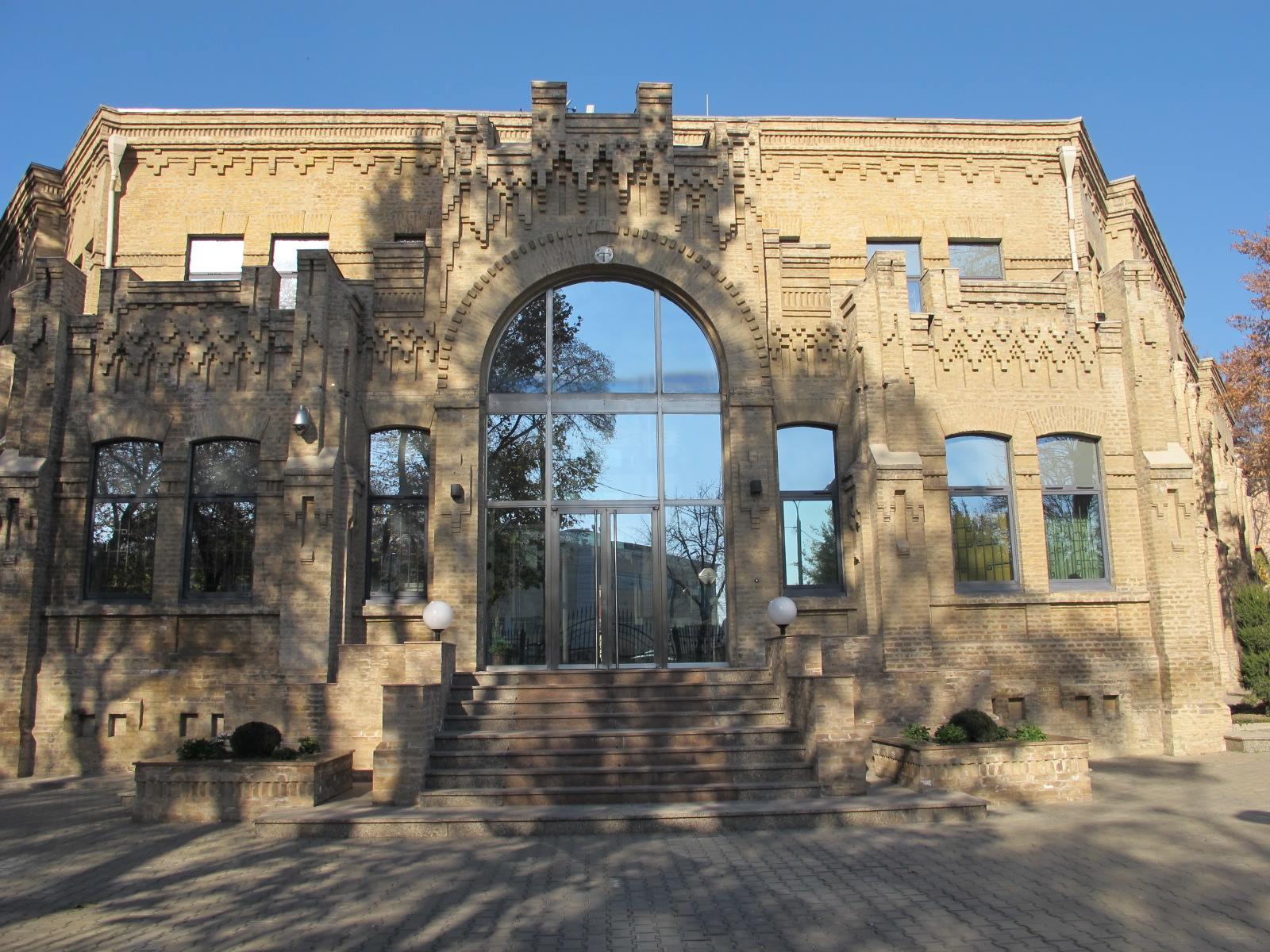
All Tashkent residents notice the French Embassy building located at the corner of Yahyo Gulomov an...
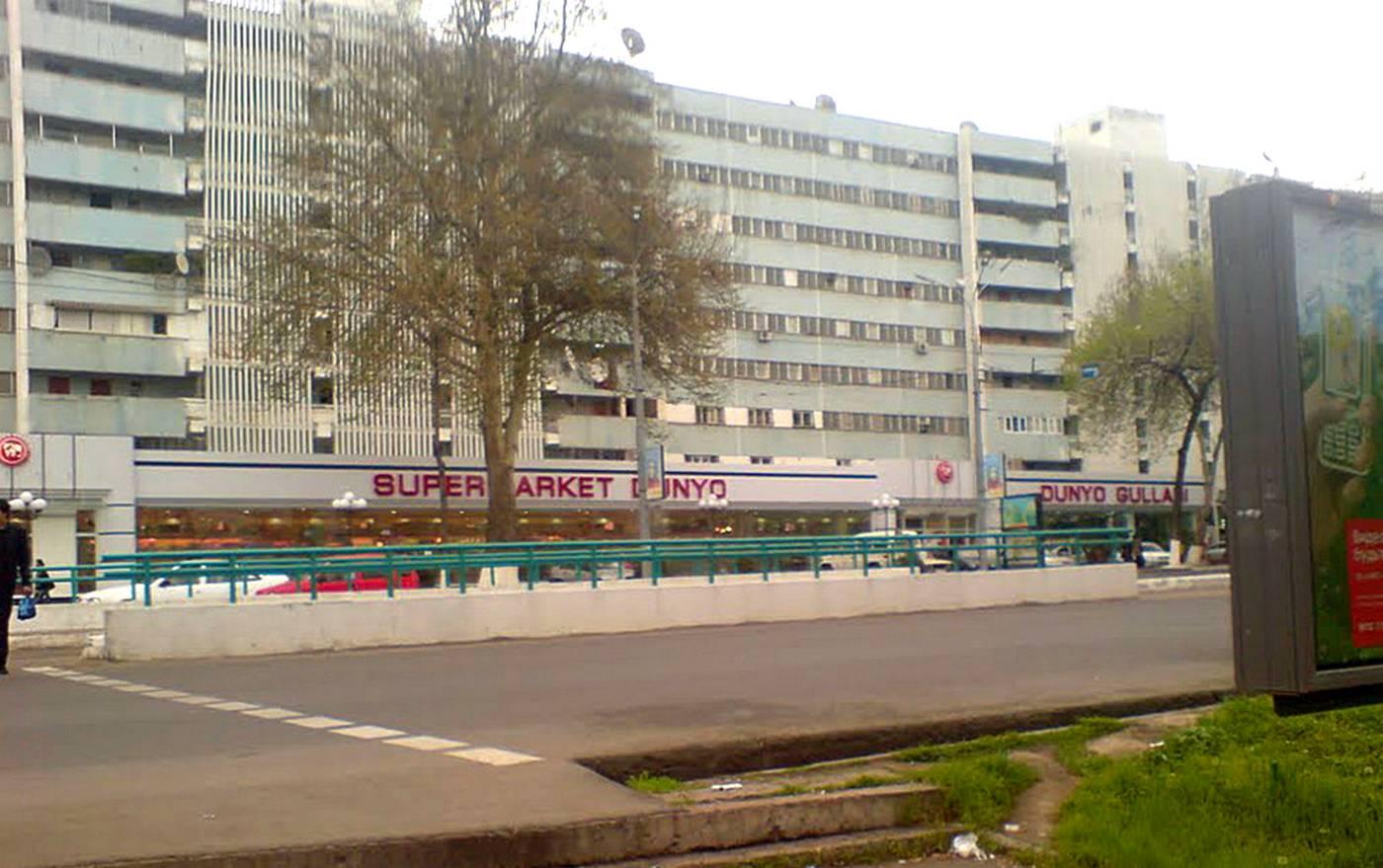
The light-blue nine-story residential buildings with the “Children’s World” store, constructed in ...
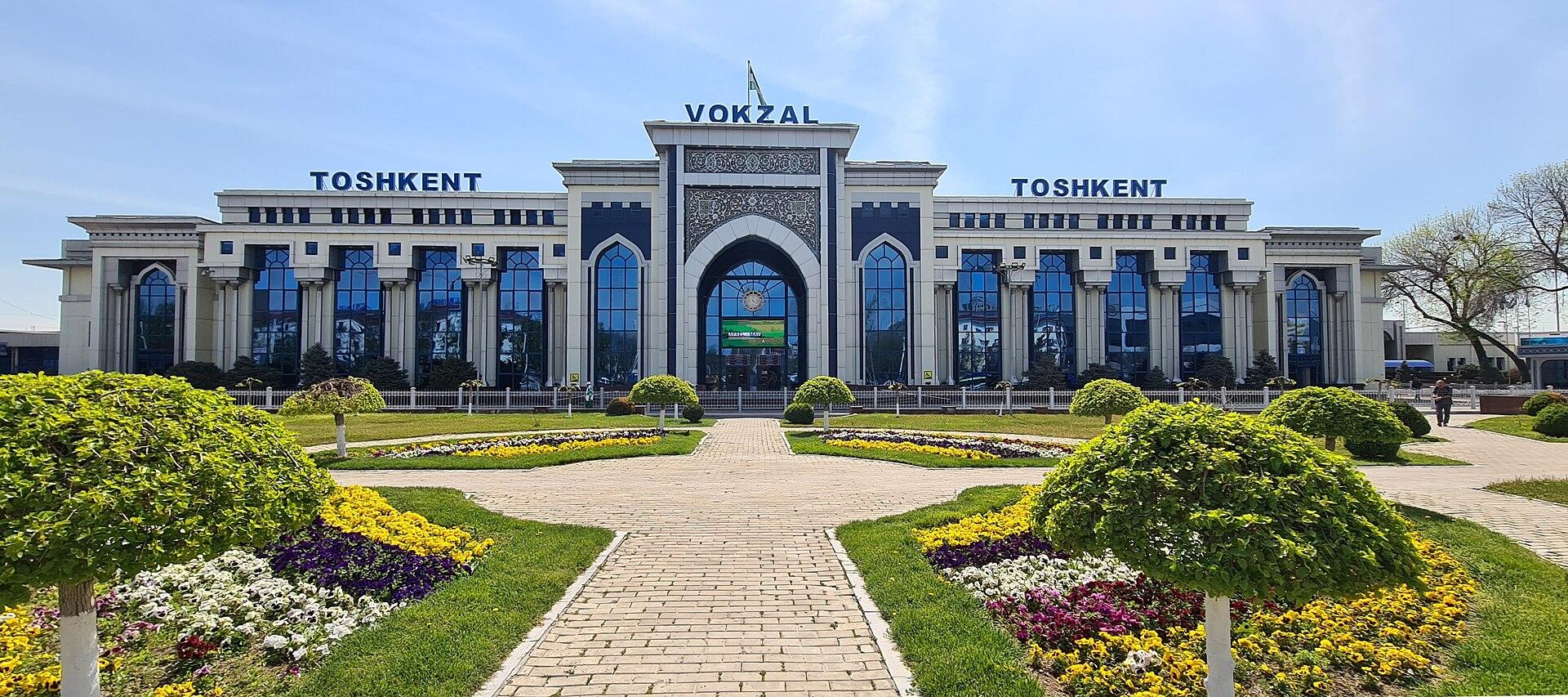
Once upon a time, the Tashkent railway station, built in 1899 to the design of G. Svarichevsky, was...
The old brick building with distinctive Turkestan architecture, located opposite the Central Park ...